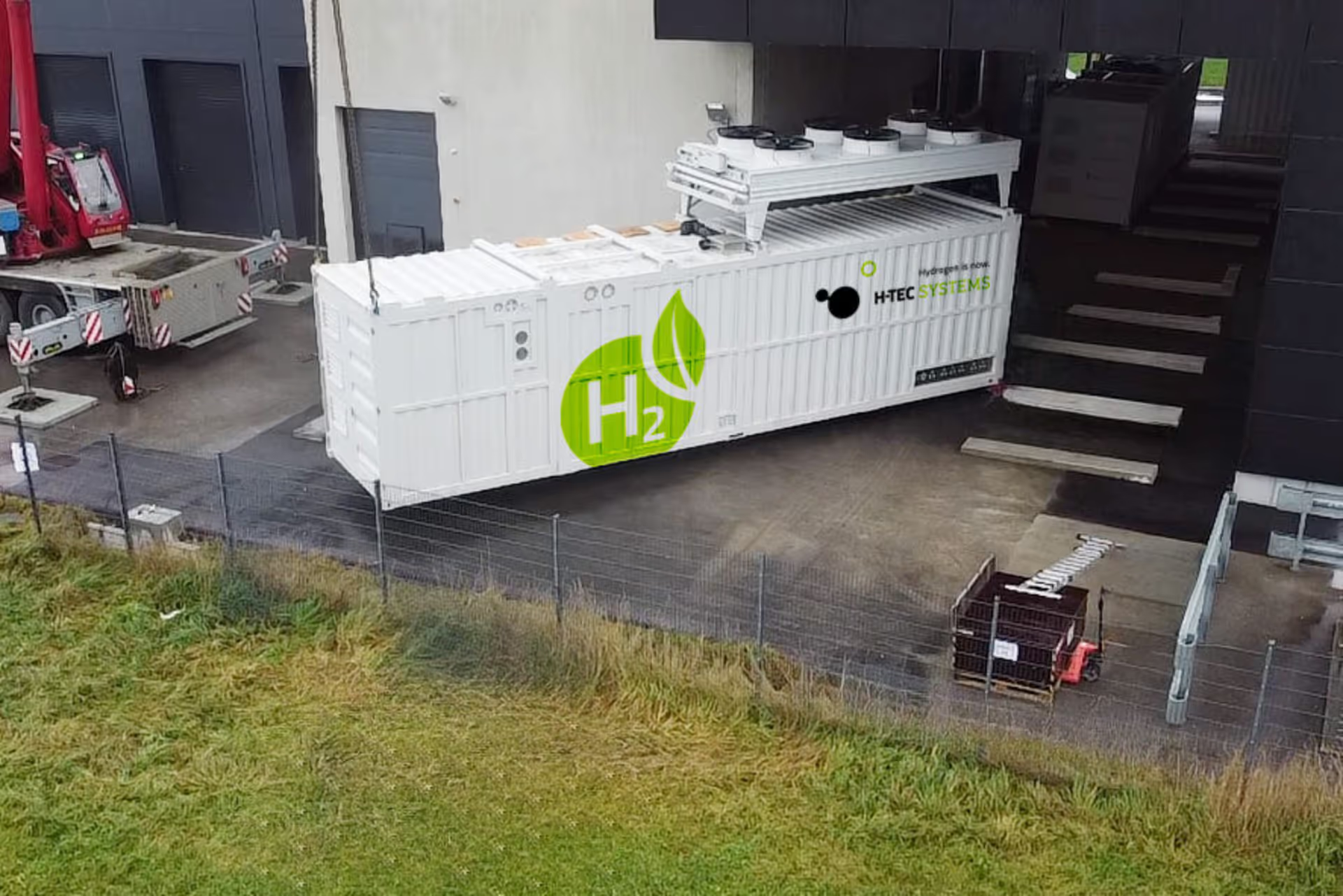
Green Hydrogen – a Driver of Decarbonization
The future starts here
Producing Green Hydrogen From Renewable Energy
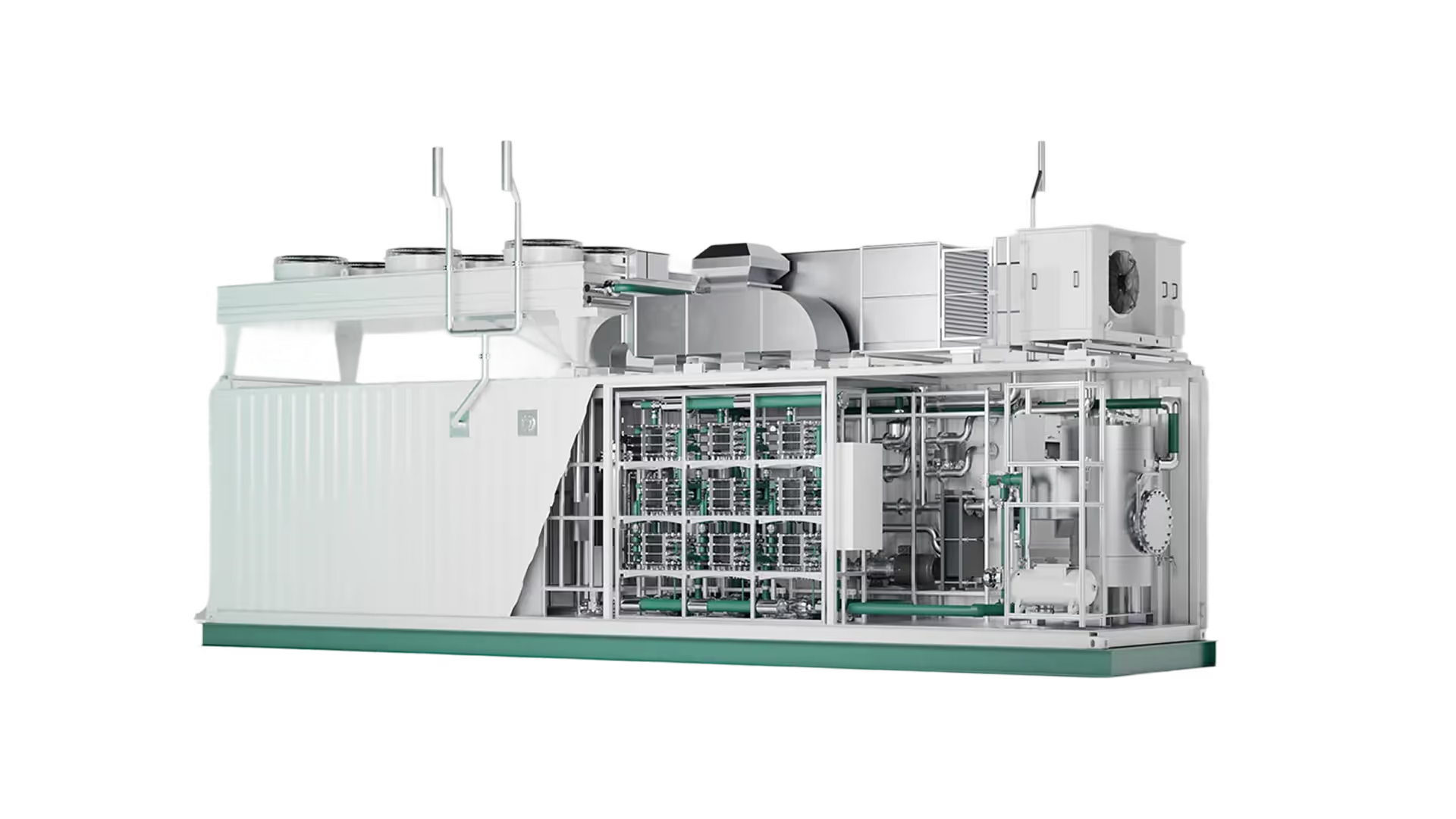
Pure water, renewable energy, and Quest One — that's all it takes to produce green hydrogen. To meet these challenges, we have been continuously optimizing PEM electrolysis and increasing the productivity of our plants for over 25 years. The result is technological advancement that is enabling the decarbonization of a wide range of industries.
When produced with 100% renewable electricity, green hydrogen makes an important contribution to reducing CO₂ emissions. Germany's aim is to reduce emissions by 55% by 2030 and 95% by 2050. This goal cannot be achieved with "blue" or "gray" hydrogen, which are produced using fossil fuels.

Key benefits
The Advantages of PEM Electrolysis
PEM stands for "Proton Exchange Membrane", which in turn stands for a whole host of advantages:

Compensation of Fluctuations
Can be operated in the dynamic partial-load range, i.e. compensating for the load fluctuations of renewable energy

Purity of Hydrogen
PEM produces high-purity hydrogen that can be used directly for refueling

Environment-friendly
Does not require aggressive chemicals and does not use a liquid electrolyte

Large-scale
Tried-and-tested technology, now ready for use on an industrial scale with Quest One



Applications
Green Hydrogen Applications

CO₂-neutral mobility
Transport still causes major emissions. Green hydrogen can power fuel cells directly and help make mobility cleaner and quieter. It can also be used to produce e-fuels for shipping and aviation.

Decarbonization of industrial processes
Many industrial processes need large amounts of energy. Green hydrogen can help reduce emissions in sectors such as glass, cement, and steel. It can also support long-term energy storage through the gas grid.

Raw material for industrial goods
Green hydrogen is also a feedstock. Combined with CO₂, it can be used to produce syngas and serve as a basis for chemicals, polymers, synthetic fuels, and ammonia.

Energy storage to balance the power grid
Surplus renewable electricity can be converted into green hydrogen and stored over time, in tanks or gas infrastructure. This helps balance fluctuations in renewable power supply.