
Mar 18, 2026
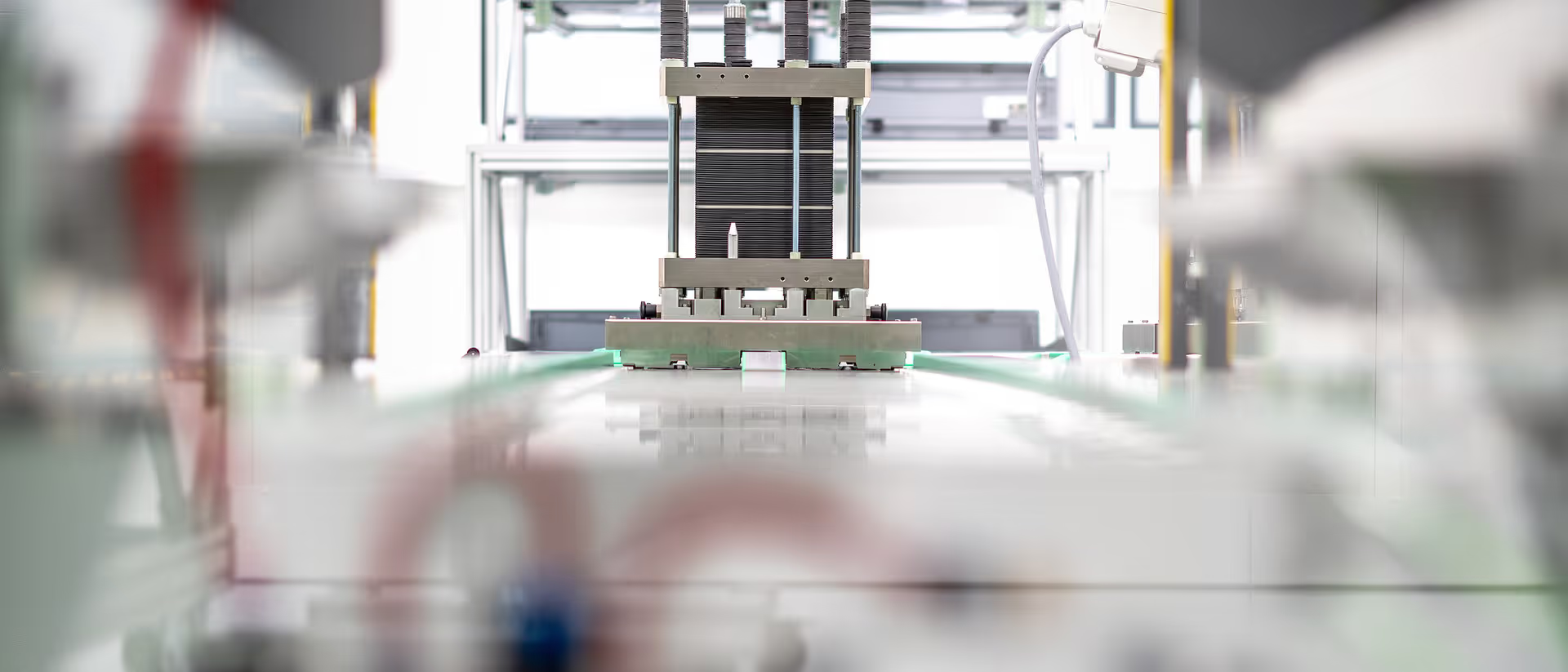
Since last year, the reference plant for Quest One’s PEM electrolyzer Modular Hydrogen Platform (MHP) has been under construction on Everllence’s factory premises in Augsburg. The electrolyzer is being integrated into a test bench at Everllence’s Turbocharger Performance Center (TPC). After its completion, it will deliver valuable data during test operation for future industrial deployment. Project Manager Markus Metzger provides insight into the current status of completed and upcoming construction phases, as well as the overarching objectives and the significance of the project for Quest One.
The reference plant is a flagship project within the hydrogen industry: Interested parties, potential customers, developers, planners, and architects can follow the construction phases first-hand. This is hardly possible in the market today, as large-scale electrolyzers are usually built directly on customer sites and in most cases cannot be visited, due to operational requirements.
Tours of the construction site have been possible since mid-2025. Visitors gain an impression of the scale, internal structure, and infrastructure of the system. Tracking the planning steps using the reference plant also illustrates which factors and framework conditions must be considered when building an electrolyzer for industrial use. These range from structural modifications to the building, required permits, coordination with grid operators for power supply, all the way to the delivery times of specific components.
Successful Project Start
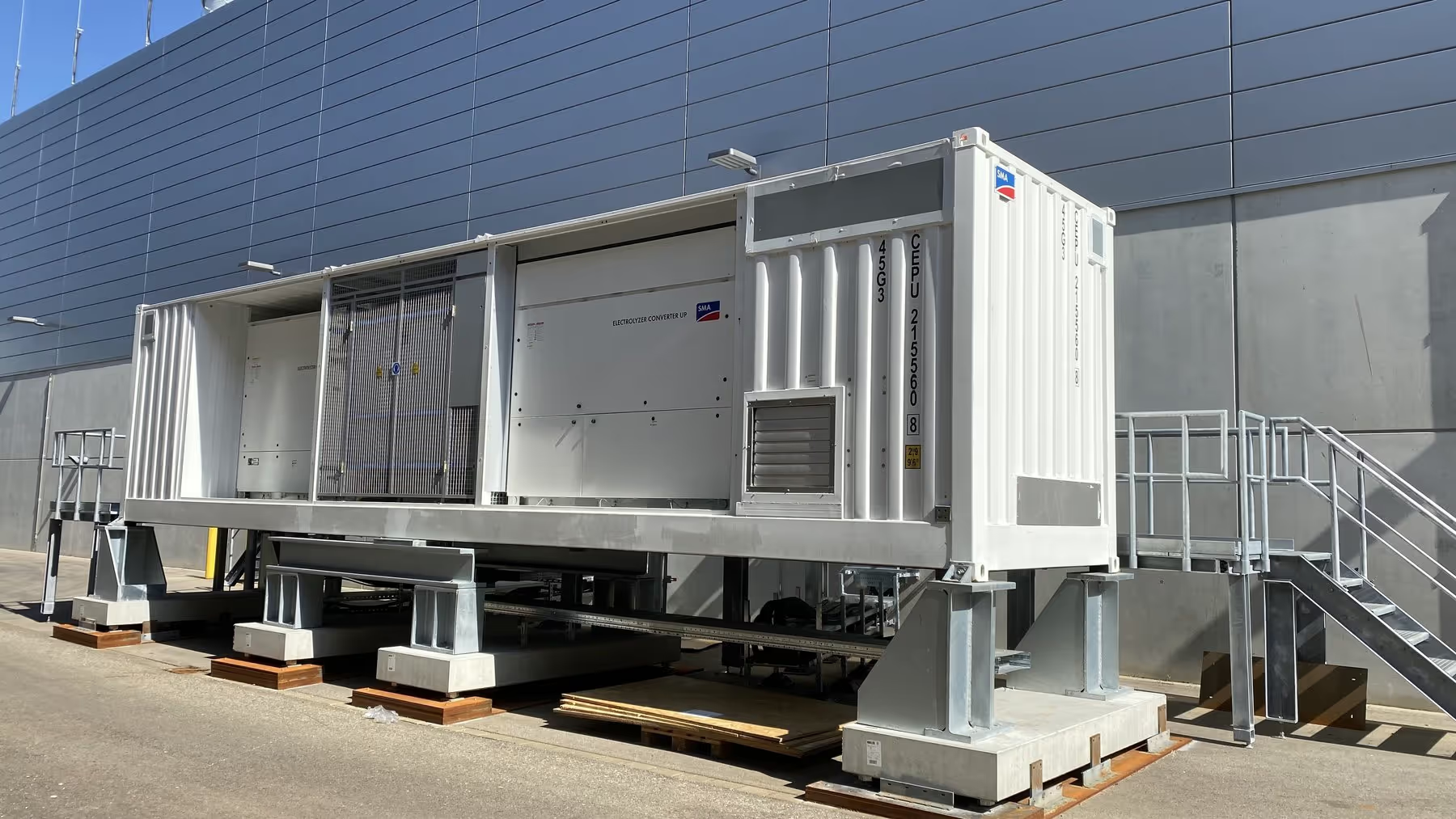
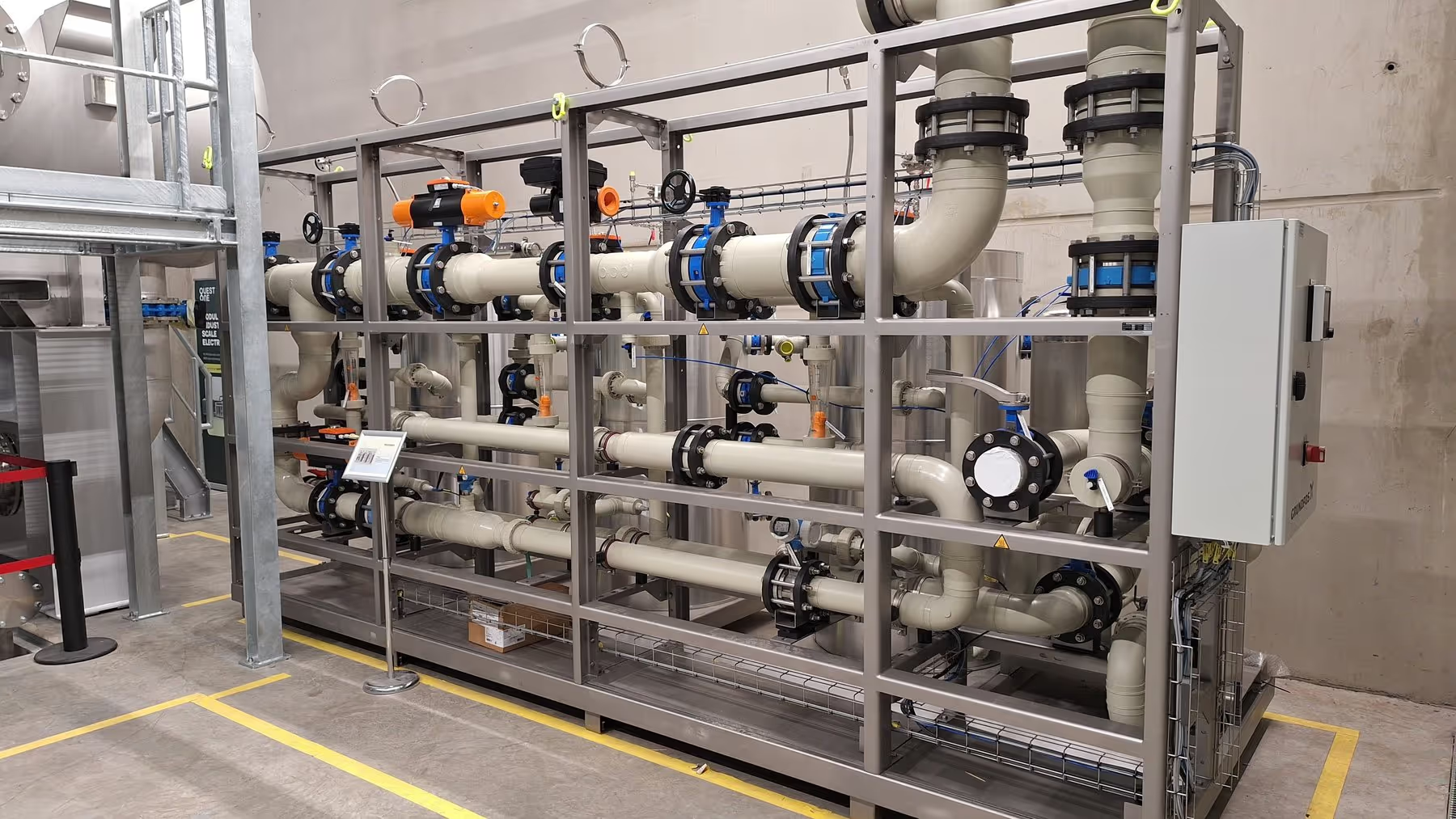
Since construction began, the power supply unit (PSU), transformer, and medium-voltage components (480 V) have been installed. In the first half of 2025, the water inlet and outlet systems were set up, along with structural work on the test bench, including wall openings and steelwork. The water treatment system went into operation in May 2025; a testing phase has since ensured the water quality required for hydrogen production.
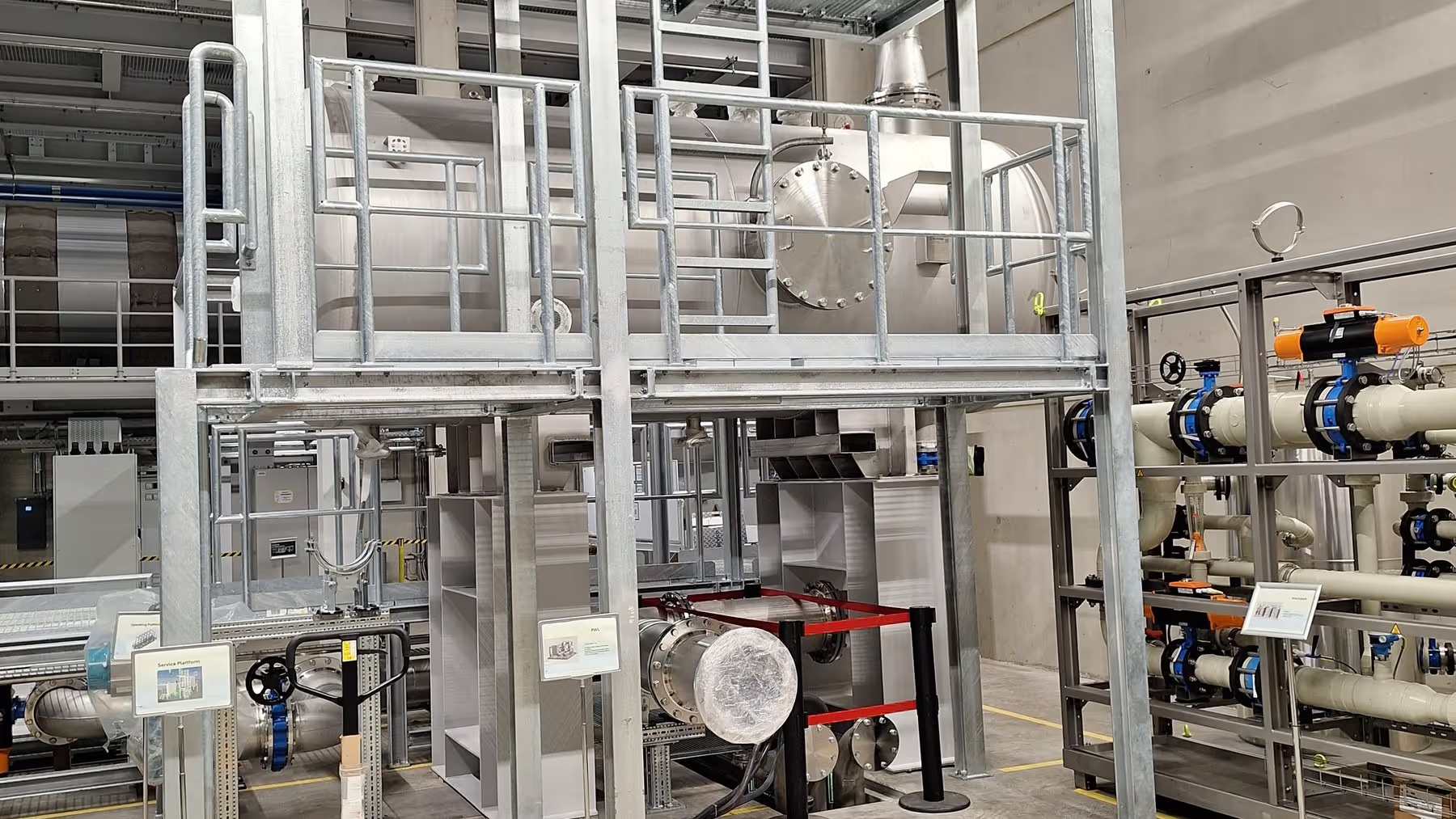
As work continued, the medium-voltage cables were laid and connected, and the low-voltage supply (400 V) was installed, powering the water treatment system and the planned control unit. The oxygen separator and parts of the process water circuit have also been installed since.
Outlook on the Next Construction Phases
The next construction phase will focus on installing the ventilation unit and the gas exhaust systems at the test bench. Additional project milestones include the operator platform, the PEM stack module, and the process water circuit including pumps and mixed bed module.
Testing Phase and Commissioning
According to the construction plan, the so called Inhouse Test Cold (cold commissioning) will take place mid-2026 to perform critical functional tests prior to starting hydrogen production. This includes leak testing of all components and ensuring the correct actuation of valves via the control unit. All safety function tests are also carried out during this phase.
After the cold commissioning is completed, the Inhouse Test Hot (hot commissioning) will follow in the second half of 2026, allowing hydrogen production to start in Q4 2026.